Website Design for Cape Town Businesses
BLOG
Most Cape Town businesses get their first website because they feel they should have one. The better ones get their second because they understand what the first one was costing them. Website design for Cape Town businesses works best when the brief is concrete: who needs to find this site, what should they do when they get there, and which platform will support that without becoming an ongoing technical liability.
South Design builds websites for Cape Town service businesses, retailers, and professional practices on Framer and Shopify. Platform selection is based on what the site needs to do, who will manage it, and how the business expects it to grow.
Choosing the Right Platform Before the Design Starts
The two platforms South works with serve different purposes. The decision made at brief stage shapes running costs, update complexity, ecommerce capability, and how much the client relies on outside help to keep the site current.
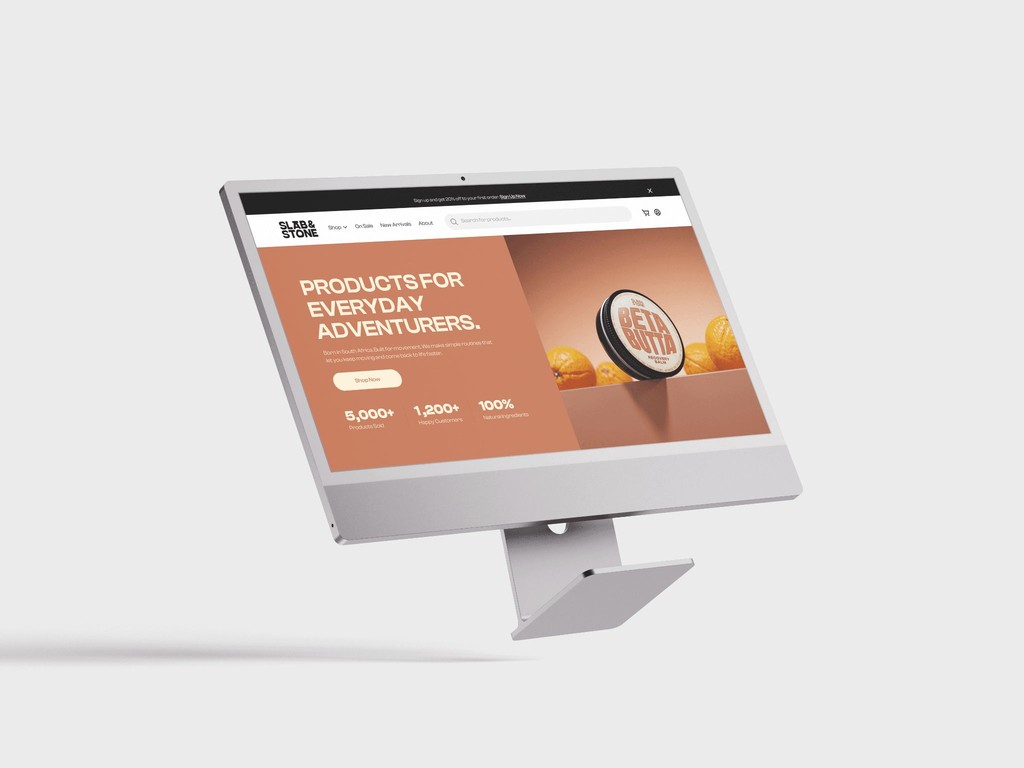
Framer suits service businesses, consultancies, studios, architects, and agencies. It produces fast, design-led websites with significant control over layout, spacing, and typography. Framer sites load well on mobile networks, which matters given that a substantial portion of South African internet traffic comes from mobile devices on variable data speeds. The platform's performance and technical structure give it a strong SEO baseline, supporting discoverability in local Cape Town searches from launch.
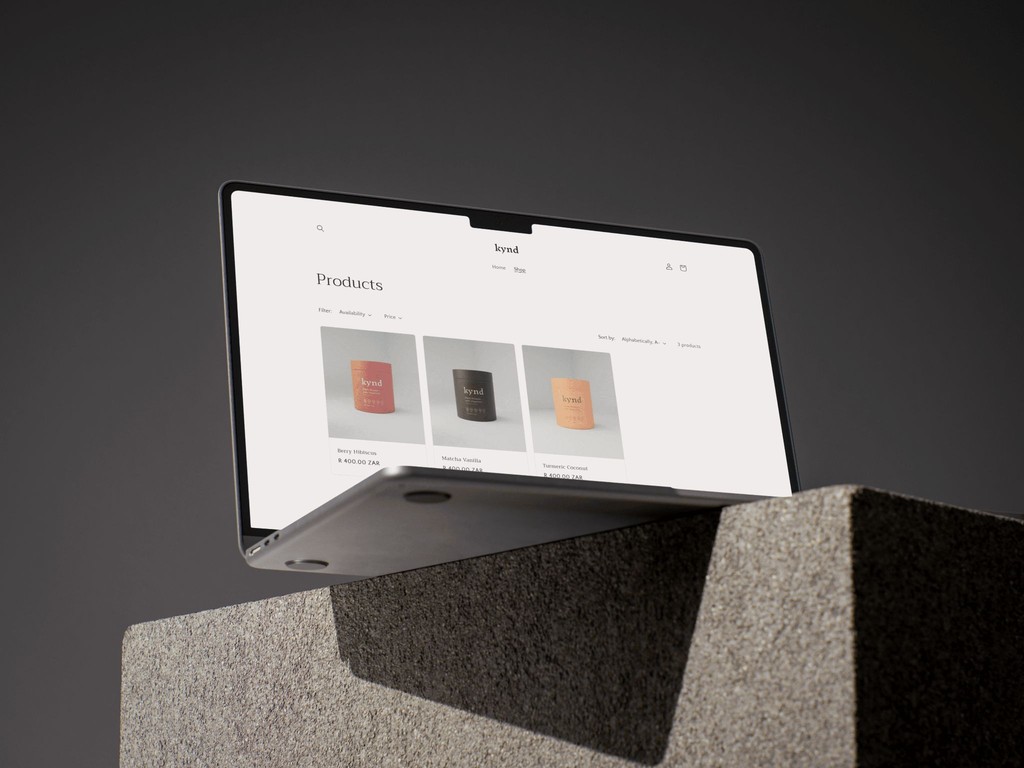
Shopify suits retailers, direct-to-consumer brands, and businesses running a serious ecommerce operation. Payment processing, inventory management, and shipping integrations are built into the platform, so the core commercial functions work together from the start. The interface is manageable for owners who want to run their own store day to day without calling a developer to update a product listing or process an order. For Cape Town retailers selling beyond the Western Cape, or building toward an international customer base, Shopify's infrastructure handles the scale.
If you are weighing up platforms ahead of a brief, how to brief a web designer covers the questions worth working through before your first conversation with a studio.
What a South Design Build Includes
Every project starts with a discovery call to establish the brief, the target audience, and what the site needs to do from day one. From there the process moves through design (wireframes to high-fidelity layouts), development, content population, and launch.
The design phase produces layouts built around your brand rather than adapted from a theme. Every South build includes mobile-first responsive design, structured navigation, SSL certificates, domain connection, and a global CDN so the site loads quickly across South Africa and beyond. Foundational SEO, including metadata, title tags, and keyword targeting for local Cape Town searches, is built into every project rather than treated as an optional add-on.
For Framer and Shopify projects, the build typically takes three to six weeks from signed brief to launch. Projects involving custom functionality or complex integrations run longer, with scope agreed during the discovery call.
Content, Imagery, and Brand Assets
Structural completion and readiness to launch are different things. South can supply the material needed to populate the site properly.
Website copywriting covers the core pages: home, about, services, and contact. 3D product rendering produces clean, high-quality imagery for retailers who need a strong product catalogue without organising a full photography shoot. For brands at an earlier stage, South's branding work covers logo, colour palette, and typography, and can run in parallel with the website build or precede it. A brand that is still in development when a website brief is being written will slow the build; bringing both workstreams to South at the same time keeps the project on schedule.
Getting these assets right at build stage is consistently less costly than fixing them after the site is live. Cheap websites cost more than money covers why in more detail.
Technical Integrations for the South African Market
Cape Town businesses often need integrations that go beyond a standard build. South handles connections to South African payment gateways including Paystack and Yoco, shipping configuration for local couriers, and cookie consent and data capture forms set up in line with POPIA requirements. CRM connections, Mailchimp, and WhatsApp Business integrations can be scoped into the project where needed.
POPIA compliance applies to any business collecting customer data in South Africa. Getting it implemented correctly at build stage is considerably less disruptive than addressing it after the site is already live.
Support After Launch
A website left untouched after launch tends to drift. Platform versions fall out of date, performance can degrade, and search rankings can slip if the site stops publishing relevant content. South offers ongoing support and retainer partnerships for clients who want a studio relationship beyond the initial build, covering updates, performance monitoring, and new feature development on an agreed basis.
If you are ready to discuss a Cape Town website design project, get in touch with South Design to start with a discovery call.